
ACV (actual cash value)
What your roof was worth the day the hail hit, with age and wear subtracted. A 15-year-old roof has an ACV well below the cost of a new one.
Insurance Claims
Hail hits, an adjuster shows up, cheques arrive in stages. Here's the whole Alberta hail-claim process in plain English, from the first photo to the last cheque.
Step by step
Calgary sits in the middle of Hailstorm Alley. The August 2024 hailstorm caused roughly $3.29 billion in insured damage, and the June 13, 2020 storm over northeast Calgary and Airdrie ran about $1.2 billion. Both figures are industry-reported. Own a roof here long enough and you will probably file a claim, so here is the process from start to finish.
Wait out the door-knockers. Hail damage does not get worse in a week, and nothing about a claim rewards signing a contract the same afternoon. If someone is pushing paperwork on your doorstep an hour after the storm, read our storm chasers page before you touch a pen.
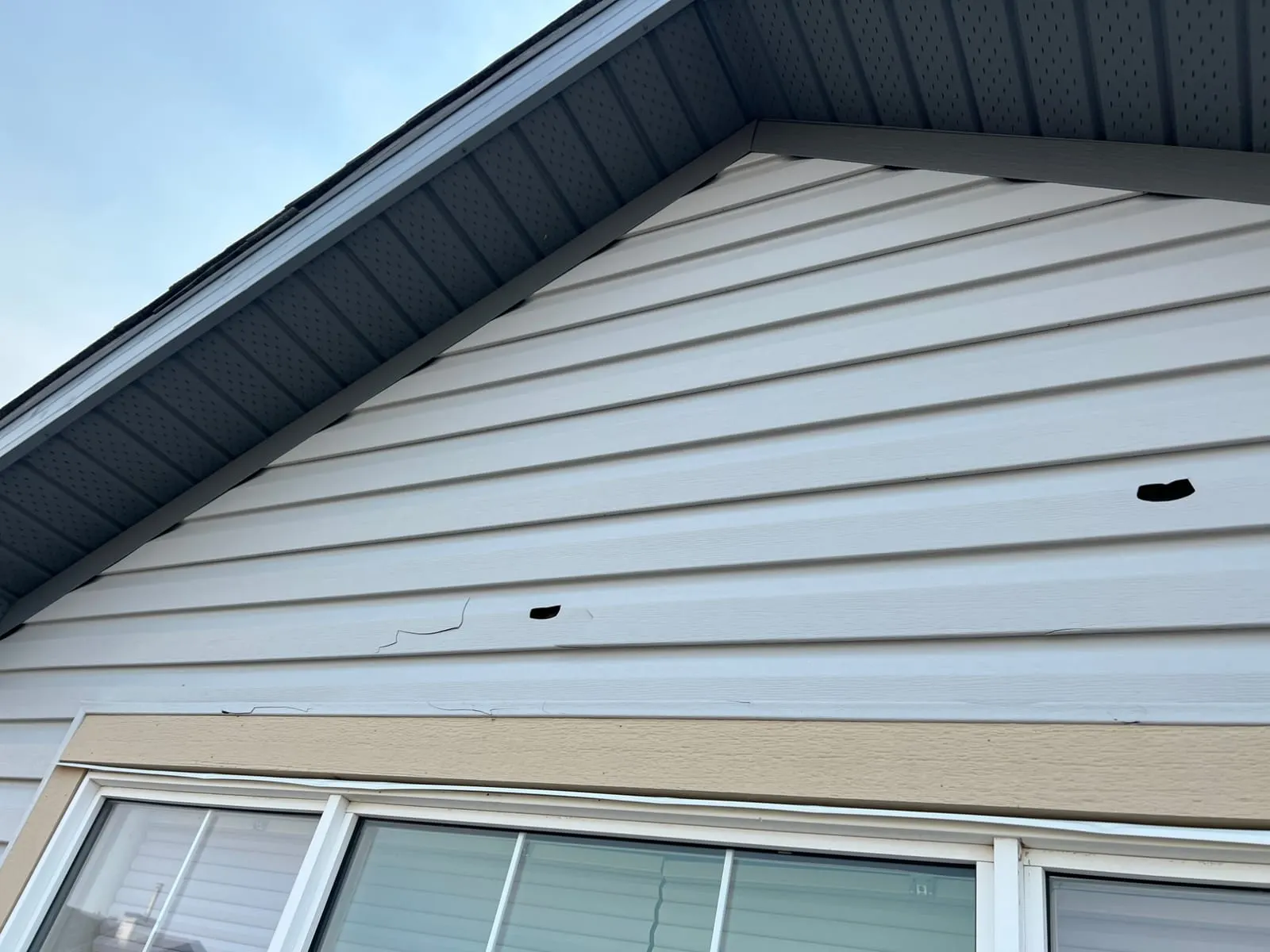
Photograph hail on the lawn next to something for scale, dented vents and eavestroughs, marked-up siding, and note the date. Stay off the roof. Ground-level photos are enough to open a claim.
Report the damage to your insurance company or broker. You get a claim number, and an adjuster is assigned to your file. Policies expect prompt reporting, so don't sit on it for a season.
Insurers handle this step differently: some send their own appraiser, some assign an approved vendor from their network, and some ask you to supply your own contractor's report and estimate. Our advice is the same in every case: have your own documented assessment in hand before the adjuster arrives. You walk into the inspection knowing what the damage is and what it should cost, instead of hearing both for the first time from the person pricing your claim.
The insurer issues a scope of loss: an itemized list of everything they agree is damaged and what they will pay to fix it. Read it before you sign anything. Every dollar in the claim traces back to this document.
We put the scope next to the actual roof. Where they match, good. Where the scope missed something (a slope the adjuster couldn't walk, dented flashing, required code items), we photograph it, measure it, and file a supplement.
Once the scope and any supplements are approved, how the money moves depends on your insurer and your policy. Some issue a cheque made out to both you and your contractor, so it takes both signatures to cash. Some hold the funds until the work is finished and documented, and on replacement-cost policies the recoverable depreciation is held back and released after completion. Your deductible comes off your share whichever way it goes, and the glossary below covers each of those terms. One thing approval does not do is hire your roofer: the approved scope belongs to you, not to any contractor, and you still choose who builds it. Choose the one who wrote the scope.
Materials ordered, roof replaced, site cleaned. The insurer's scope prices the grade of shingle that was on your roof, and that's what they pay to put back. Standard architectural is our minimum on every job, so if your old roof was a lower grade, you get standard architectural at no extra cost. Every replacement estimate also shows four shingle selections, up to Class 4 impact-rated, and you can pay the difference to go up from there. The 15-year written workmanship warranty is the same one that comes with a roof you paid for out of pocket.
After the work is done, the completion paperwork and final invoice go to your insurer. If your policy held back recoverable depreciation, that paperwork is what triggers its release; if your insurer paid another way, it closes out the remaining balance. You pay your deductible, the file closes, and you keep every document.
The paperwork, decoded
Claims paperwork leans on a handful of terms that trip people up. Here is each one without the jargon. And if you're still deciding whether those dents are roof damage at all, our hail damage guide shows what hail actually does to shingles.
What your roof was worth the day the hail hit, with age and wear subtracted. A 15-year-old roof has an ACV well below the cost of a new one.
What it costs to put a new roof on today. Many Alberta homeowner policies pay replacement cost, but check yours, because the difference is thousands of dollars.
The gap between RCV and ACV, held back by the insurer until the roof is finished and they see the final invoice. Recoverable means you get it back. It is not money you lost.
Your share of the claim, set out in your policy. The insurer subtracts it from the payout, so in practice you pay it toward the finished roof.
The insurer's line-by-line list of what is damaged and what they will pay to repair it. Quotes, supplements and cheques all key off this one document.
A documented request to add something the scope missed: rotted decking found at tear-off, a required code item, damage the adjuster couldn't see. Filed with photos and measurements, not opinions.
Roof Right Solutions & Exteriors
340 Midpark Way SE Suite 300, Calgary AB
403-460-9394
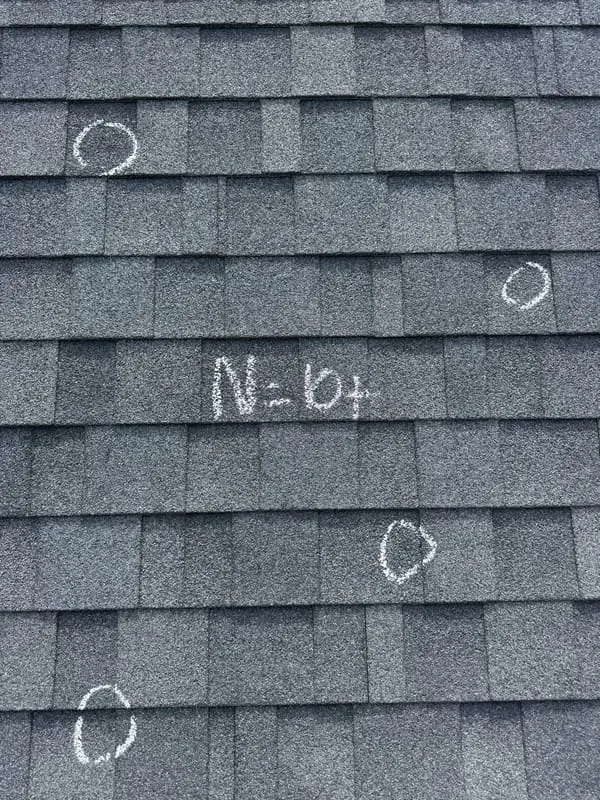
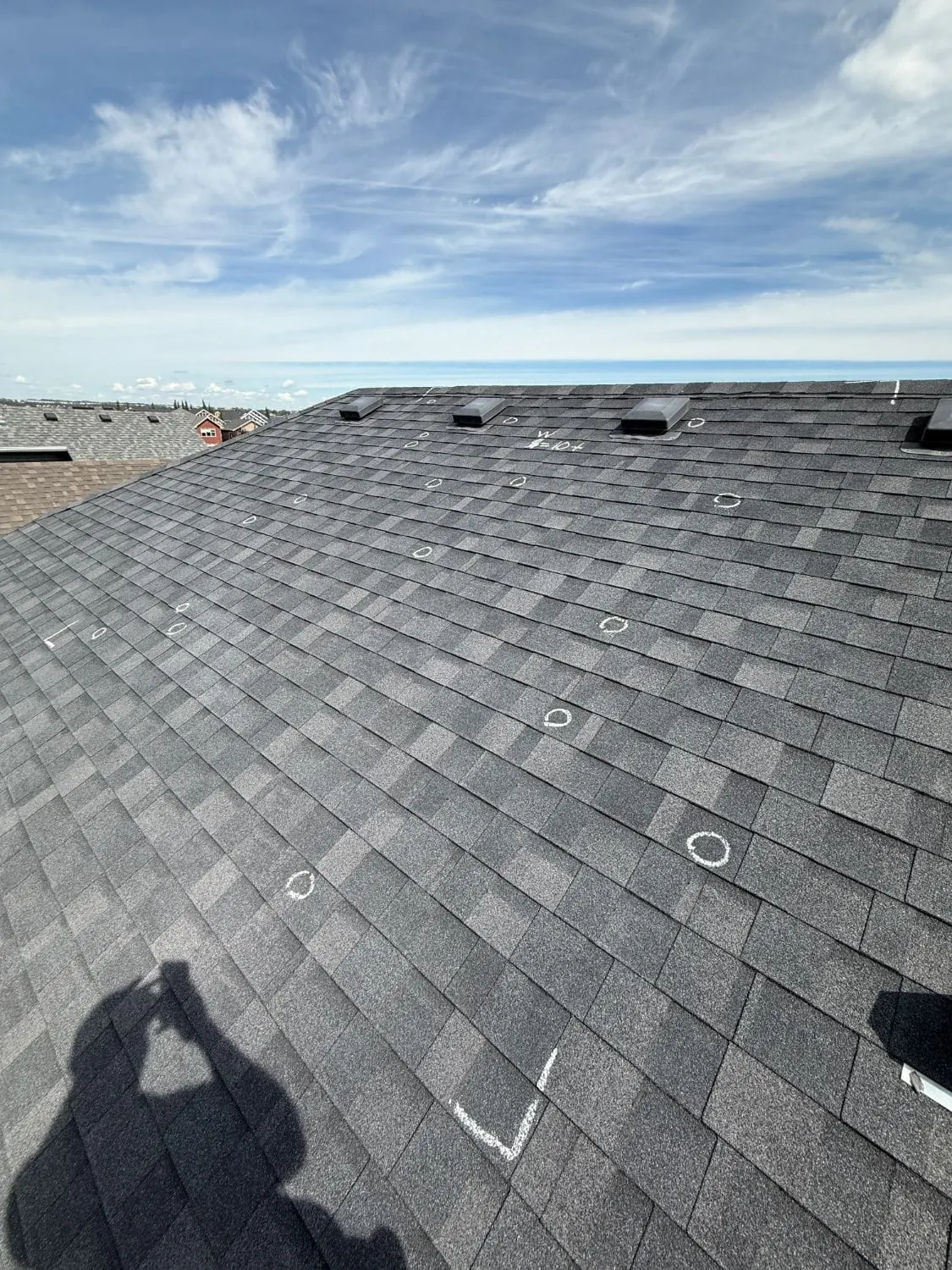
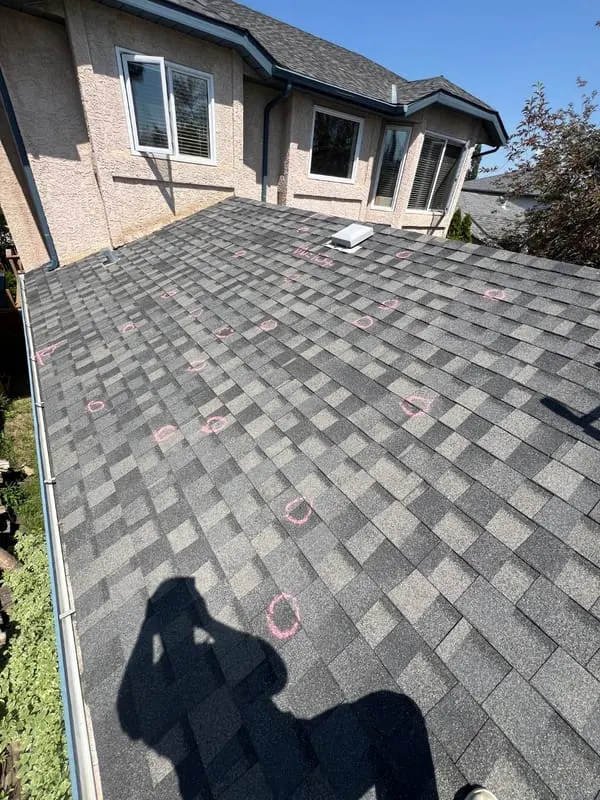
Written in Xactimate · Roof Right Solutions & Exteriors · Claim #: 000-00-000000
| LINE ITEM | QTY | TOTAL |
|---|---|---|
| Tear off, haul and dispose of comp. shingles | 27.2 SQ | $– |
| Ice & water barrier, eaves & valleys | 612 SF | $– |
| Laminated comp. shingle rfg, Class 4 | 30.5 SQ | $– |
| R&R Siding: vinyl, hail-damaged elevations | 440 SF | $– |
| Replacement cost value | $ RCV |
Why it matters
Roof Right Solutions is an approved vendor in the networks insurers use to assign restoration contractors, and we are HAAG-certified for residential roof inspections. In practice that changes three things about your claim. We write the estimate in Xactimate, the same software the insurer's reviewer prices claims in, so the documentation is right the first time. We review the scope of loss line by line against our own inspection report: when the reviewer's numbers come back short we argue the line items, and when the scope missed damage we file the supplement with photos and measurements instead of a phone argument. And the third thing depends on how your claim reached us. When it comes through an insurer's network, we deal with the adjuster directly. When you found us on your own, communication normally runs through you, and the report does the talking: an estimate written in the reviewer's own software does not need a translator. We step in on scope questions when it helps, and either way we send the completion paperwork that releases your depreciation.
Two honest limits. Approval decisions belong to your insurer, not to us, and no contractor can promise a claim outcome. And approved-vendor status does not make us the insurer's contractor. You hire us. We work for you.
In Alberta, the claim pays for the roof; it does not pick the roofer. An approved claim does not tie you to anyone either: approval releases the money, nothing more. Your insurer may pass along a list of contractors they work with, and that list is a convenience, not a condition. You are free to hire any qualified contractor, and your coverage does not change because of the choice.
So pick the company you would trust if you were paying retail: read the reviews, read the warranty, and ask who answers the phone in year ten. And if one contractor already wrote the scope your insurer approved, weigh that too. Nobody knows the claim line by line the way they do.
Timeline
The honest answer: it depends on the storm more than on you. In a quiet season an adjuster might see your roof within a couple of weeks of the claim opening. After a city-wide storm like August 2024, thousands of files land at once and every stage stretches with them: adjuster visits, scope documents, material supply, build slots. The build itself is usually the fast part. Depreciation release follows the final invoice. Plan in months, not days, and be suspicious of anyone promising firm dates for stages they don't control. A documented roof inspection up front is the one step you can book on your own schedule.
We're roofing contractors, and this is a roofing guide. It explains how hail claims generally work in Alberta, but none of it is advice about your policy, and we're not licensed to give any. What your coverage includes, how your deductible applies, whether your claim is approved: those answers belong to your insurer or broker, full stop. The roof is where we speak with full confidence. We're HAAG-certified in hail damage assessment, and the job is the same on every roof: document what's damaged, price the fix, and give you paperwork that proves both.
Questions
On an approved replacement-cost claim, your out-of-pocket cost is typically the deductible, plus anything you choose to upgrade beyond what the scope covers. One thing worth knowing: your deductible is your share of the claim under your policy, not a fee a contractor can waive. Offers to absorb or rebate it are a red flag, because in many cases the practice amounts to insurance fraud. If you get that offer, ask how it would show up on paper before you sign.
It happens often, especially with damage you can only see from the roof or after tear-off. That is what supplements are for: we document the missed items with photos and measurements, write them into the Xactimate estimate, and submit them to your adjuster. A properly documented supplement is routine, not a fight.
From first call to depreciation release, think months rather than weeks, and longer after a major regional storm when adjusters and suppliers are swamped. The build itself is the quick part. Anyone quoting firm dates for stages they do not control is guessing.
Straight answer: we don't know. That's a broker question, and the time to ask it is before you file, not after. The answer depends on your policy and your claims history, which your broker can see and we can't. If it worries you, get their answer in writing.
No. In Alberta you choose your own contractor, and going outside the list your insurer hands you does not reduce your coverage. Treat that list as a starting point if you find it useful, then hire whoever you would trust with the roof if you were paying for it yourself.
No. A few bruised shingles on one slope may cost less to repair than your deductible. Start with a HAAG-certified hail assessment, from $350 and waived in full when we do the work: you will know what the damage actually is, and whether a claim makes sense, before you ever call your insurer. And if the assessment finds no claim-worthy damage, we say so and file an honest no-damage report. We get paid for the report, not for finding damage.
Start with the assessment
A HAAG-certified hail assessment, from $350 and waived in full when we do the work, tells you what the hail did and whether a claim makes sense, before you call your insurer. If we find nothing worth claiming, we say so and file an honest no-damage report. You lose nothing but the assessment fee, and the fee pays for the same climb, photos and paperwork whatever we find. No pressure either way.
4.9 on Google (77) · 5.0 on HomeStars (156) · 230+ Verified Reviews
We use Google Analytics and Microsoft Clarity to see how visitors use this site.Learn more or opt out.